What LCD Module Should I Choose for My DIY Electronics Project?
If you're working on a DIY electronics project, such as building a custom control panel or a small embedded system, selecting the right LCD module is crucial. The
3.2 LCD module and
LCD module 2004 are two popular options, but which one is best for your needs? Answer: Choose the LCD module based on your project's size, resolution, and interface requirements. For small, compact designs, the
3.2 LCD module is ideal. For basic alphanumeric displays, the
LCD module 2004 is a cost-effective choice. To help you make the right decision, consider the following:
- LCD Module
- A display component used in electronic devices to show text, graphics, or video. It is commonly used in embedded systems, industrial equipment, and consumer electronics.
- 3.2 LCD Module
- A compact display module with a 3.2-inch diagonal screen, often used in portable devices and small embedded systems.
- LCD Module 2004
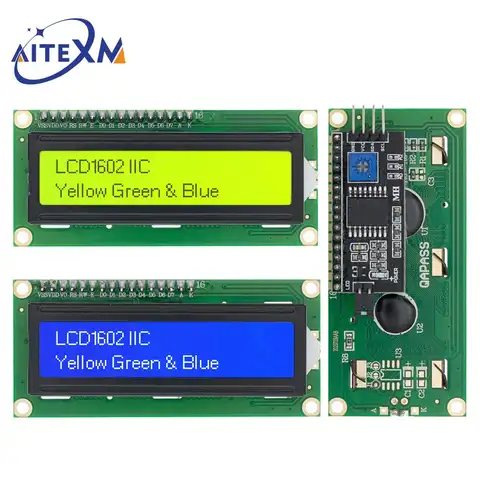
- A 20x4 character alphanumeric display module, ideal for simple text-based interfaces in DIY electronics projects.
- Determine the size and resolution you need. If your project requires a small, high-resolution display, the 3.2 LCD module is a good fit.
- Assess the interface type. The LCD module 2004 typically uses an I2C or parallel interface, which is easy to integrate with microcontrollers like Arduino or Raspberry Pi.
- Consider power consumption and durability. For battery-powered devices, choose a module with low power consumption and a long lifespan.
| Feature | 3.2 LCD Module | LCD Module 2004 |
| Screen Size | 3.2 inches | 20x4 characters |
| Resolution | High resolution | Low resolution |
| Interface | Parallel or SPI | I2C or Parallel |
| Power Consumption | Low to medium | Low |
| Use Case | Portable devices, embedded systems | Basic text displays, DIY projects |
How to Troubleshoot a Faulty LCD Module in an Industrial Control System?
When working with industrial control systems, a faulty LCD module can cause significant downtime. If you're using a
TM LCD module or
LCD module LW 6052, and you're experiencing display issues, it's important to know how to diagnose and fix the problem. Answer: To troubleshoot a faulty LCD module, start by checking the power supply, interface connections, and display settings. If the issue persists, replace the module with a known working unit. Here’s a step-by-step guide to help you resolve the issue:
- Check the power supply. Ensure the module is receiving the correct voltage and current. A faulty power supply can cause the display to flicker or not turn on at all.
- Inspect the interface connections. Verify that the data lines, control lines, and ground connections are properly connected. A loose or damaged connection can prevent the module from functioning correctly.
- Test the display settings. If the module is connected correctly, check the display settings in the control system software. Incorrect settings can cause the display to show garbled text or no text at all.
- Replace the module. If the above steps don’t resolve the issue, replace the module with a known working unit. This will help determine if the problem is with the module itself.
- TM LCD Module
- A type of industrial LCD module known for its durability and reliability in harsh environments.
- LCD Module LW 6052
- A high-performance LCD module used in industrial control systems for displaying real-time data and system status.
What Are the Best LCD Modules for a Low-Power Embedded System?
If you're designing a low-power embedded system, such as a smart sensor or a battery-powered device, choosing the right LCD module is essential. Modules like the
LCD module 10.1 or
Graphics LCD module are often used in such applications. Answer: For a low-power embedded system, the best LCD modules are those with low power consumption, high readability, and compatibility with microcontrollers. The
Graphics LCD module and
LCD module 10.1 are excellent choices. Here’s how to select the best module for your system:
- Look for low power consumption. Choose a module with a low standby current and a high contrast ratio for better visibility in different lighting conditions.
- Check compatibility with your microcontroller. Ensure the module supports the interface type used by your microcontroller, such as SPI, I2C, or parallel.
- Consider the display type. A Graphics LCD module is ideal for displaying images and icons, while a 16x2 LCD module is suitable for simple text-based interfaces.
- Test the module in your system. Before finalizing your design, test the module in your system to ensure it meets your performance and power requirements.
| Feature | Graphics LCD Module | LCD Module 10.1 |
| Screen Size | Varies (common sizes: 128x64, 240x128) | 10.1 inches |
| Power Consumption | Low | Medium |
| Interface | SPI, I2C | Parallel or SPI |
| Use Case | Embedded systems, portable devices | Tablets, industrial displays |
User Reviews of LCD Modules: Real-World Performance and Reliability
When selecting an LCD module, it's important to consider real-world performance and reliability. Based on user feedback and field experience, here are some insights into the performance of various LCD modules:
- LCD Module 162
- Users report that this module is reliable and easy to integrate with microcontrollers. It is commonly used in hobbyist projects and small-scale industrial applications.
- LCD Module X4
- Known for its high brightness and durability, this module is often used in outdoor applications where visibility is critical.
- LCD Display Module for
- A general term used to describe LCD modules designed for specific applications, such as automotive, medical, or consumer electronics.
| Module | Rating (Out of 5) | Common Use Case | Reliability |
| LCD Module 162 | 4.5 | DIY electronics, embedded systems | High |
| LCD Module X4 | 4.7 | Outdoor displays, industrial control | Very High |
| LCD Display Module for Automotive | 4.6 | Car dashboards, infotainment systems | High |
Other LCD Module Variants and Their Applications
In addition to the modules discussed above, there are several other LCD module variants that are widely used in different industries. These include the
LCD module small,
LCD display modules,
LCD screen module,
12C LCD module,
LCD TV module, and
module LCD liquid crystal.
- LCD Module Small
- A compact display module used in wearable devices, smartwatches, and portable electronics.
- LCD Display Modules
- A general term for a wide range of LCD modules used in various applications, from consumer electronics to industrial equipment.
- LCD Screen Module
- A display module used in devices such as smartphones, tablets, and monitors.
- 12C LCD Module
- An LCD module that uses the I2C communication protocol, making it easy to integrate with microcontrollers.
- LCD TV Module
- A high-resolution display module used in televisions and large-screen displays.
- Module LCD Liquid Crystal
- A term used to describe the liquid crystal technology used in LCD modules to produce images on the screen.
These modules are available in various sizes, resolutions, and interface types, making them suitable for a wide range of applications. When selecting an LCD module, it's important to consider the specific requirements of your project, including size, resolution, power consumption, and interface compatibility.