What Type of Sensor Should I Replace on My Hyundai i20?
If you're experiencing issues with your
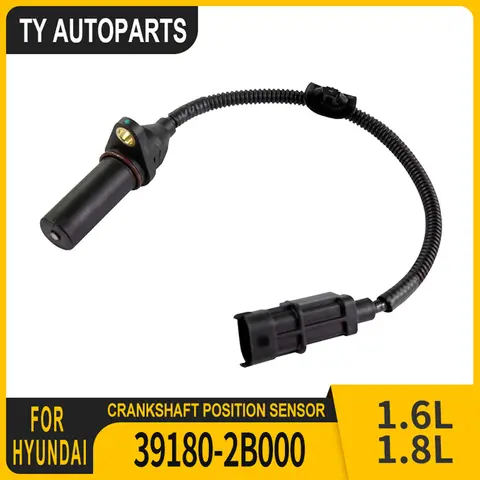
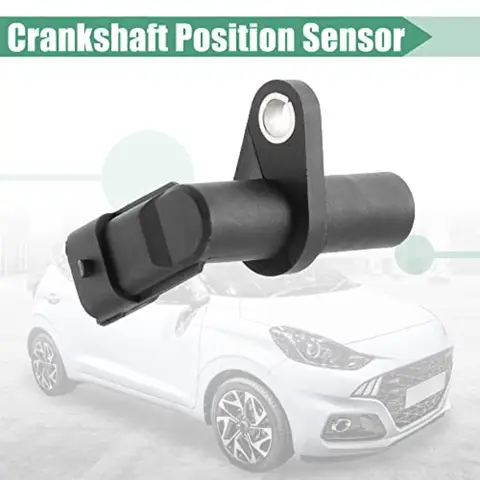
Hyundai i20's performance or dashboard warnings, you might be wondering what type of sensor you should replace. The answer is: It depends on the symptoms you're experiencing. When a sensor fails in your Hyundai i20, it can affect everything from fuel efficiency to engine performance. Common sensors that may need replacement include the mass air flow (MAF) sensor, oxygen (O2) sensor, coolant temperature sensor, and crankshaft position sensor. To determine the correct sensor to replace, follow these steps:
- Use an OBD-II scanner to read the diagnostic trouble codes (DTCs) from your car’s onboard computer.
- Look up the codes to identify the affected sensor. For example, code P0171 typically points to a faulty MAF sensor.
- Inspect the sensor visually for damage or dirt, especially if it's the MAF or O2 sensor.
- Replace the sensor with a high-quality part compatible with your Hyundai i20 model year.
- MAF Sensor
- Measures the amount of air entering the engine to adjust fuel injection.
- O2 Sensor
- Monitors the amount of oxygen in the exhaust to optimize fuel efficiency and reduce emissions.
- Coolant Temperature Sensor
- Measures engine coolant temperature to regulate fuel mixture and engine performance.
How Can I Diagnose a Faulty Sensor in My Hyundai i20?
If you're unsure whether a sensor is causing your Hyundai i20 to run poorly, the question is: How can I diagnose a faulty sensor? The answer is: Use a combination of diagnostic tools and visual inspection. A faulty sensor can cause rough idling, poor fuel economy, or even engine stalling. Here's how to diagnose it:
- Connect an OBD-II scanner to the diagnostic port under the dashboard.
- Read the DTCs to identify the sensor or system with the issue.
- Check the sensor’s wiring and connectors for corrosion or damage.
- Test the sensor’s resistance or voltage using a multimeter if you have the technical knowledge.
- Compare the readings to the manufacturer’s specifications for your Hyundai i20 model.
For example, if you're dealing with the
hyundai i20 temperature sensor, a faulty reading could lead to incorrect fuel mixture and poor engine performance. If you're working on a
hyundai i20 pressure sensor, a failure could affect the fuel delivery system.
What Are the Best Replacement Sensors for the Hyundai i20?
If you're looking to replace a sensor in your Hyundai i20, the question is: What are the best replacement sensors available? The answer is: Choose OEM or high-quality aftermarket sensors that match your vehicle’s specifications. When replacing a sensor, it's important to choose a part that is compatible with your
hyundai i20 motor and model year. Here’s a comparison of some commonly replaced sensors:
| Sensor Type | Part Number | Compatibility | Price Range (USD) |
| MAF Sensor | 96600-34100 | Hyundai i20 2012–2018 | $30–$60 |
| O2 Sensor | 96600-34101 | Hyundai i20 2013–2019 | $40–$80 |
| Coolant Temperature Sensor | 96600-34102 | Hyundai i20 2014–2020 | $20–$50 |
When shopping for a hyundai i20 sensor, also consider related models like the
hyundai i10 sensor or
hyundai i25 sensor, as they may share similar components. However, always verify compatibility before purchasing.
What Do Users Say About Hyundai i20 Sensor Replacements?
If you're considering replacing a sensor in your Hyundai i20, you might be wondering: What do users say about sensor replacements? The answer is: Most users report improved performance and fewer issues after replacing faulty sensors. Many users who replaced the
hyundai i20 temperature sensor or
hyundai i20 pressure sensor noted a significant improvement in fuel efficiency and smoother engine operation. Some even mentioned that replacing the
hyundai i20 key sensor helped with starting issues in their
hyundai i20 2016 sensor-equipped models. One user shared that after replacing the MAF sensor on their
hyundai i20 sport, the car ran more smoothly and the check engine light turned off. Another user who replaced the O2 sensor on their
hyundai i20 sedan reported better fuel economy and fewer emissions test failures. Overall, users recommend using high-quality parts and following proper installation procedures to ensure the best results. If you're unsure, it's always a good idea to consult a professional mechanic or refer to the
hyundai i20 ii service manual for your specific model.
Other Sensors and Related Models You Might Be Interested In
If you're working on your hyundai i20, you might also be interested in sensors for related models such as the
hyundai i10 sensor,
hyundai i25 sensor, or
hyundai i30 sensor. These models share similar sensor systems, and parts may be interchangeable in some cases. Additionally, if you're looking for performance upgrades, you might consider the
hyundai i20 sports or
hyundai i20 motor modifications. For users interested in the
hyundai i20 icons or
hyundai i20 i, it's important to ensure that any sensor replacements are compatible with the vehicle’s software and hardware. If you're working on a
hyundai i20.n or
hyundai i20 ii, always verify the part numbers and model compatibility before purchasing any sensors. This will help avoid unnecessary returns or installation issues.