







Results for anti vibration damper
Anti vibration dampers are essential components for reducing noise, preventing wear, and enhancing performance in machinery, automotive systems, and household appliances. Whether you're upgrading a water pump, securing a door lock, or isolating a fan’s vibration, the right anti vibration damper ensures durability, quiet operation, and long-term reliability.
When users search for anti vibration damper, they are typically seeking solutions to minimize mechanical vibrations that cause noise, structural fatigue, or equipment damage. These searches often reflect a practical need—whether for DIY repairs, industrial maintenance, or automotive upgrades. The intent is clear: find a durable, adaptable, and effective damping solution that fits specific dimensions and load requirements.
For applications like water pumps or fans, spring-type anti vibration dampers (e.g., JB50KG adjustable spring isolators) offer high load capacity and precise tuning. These are ideal for heavy-duty machinery where vibration amplitude is significant. Look for models with a load capacity exceeding 50kg and adjustable height for optimal alignment.
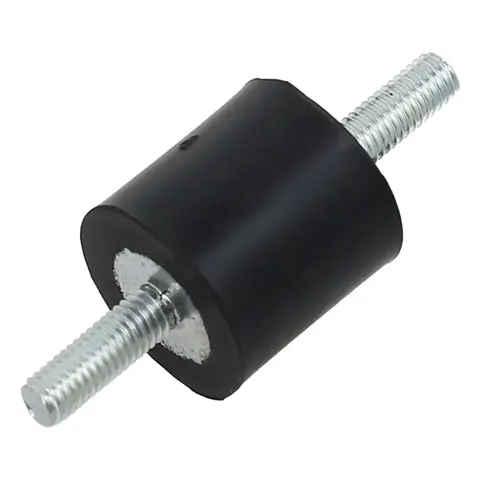
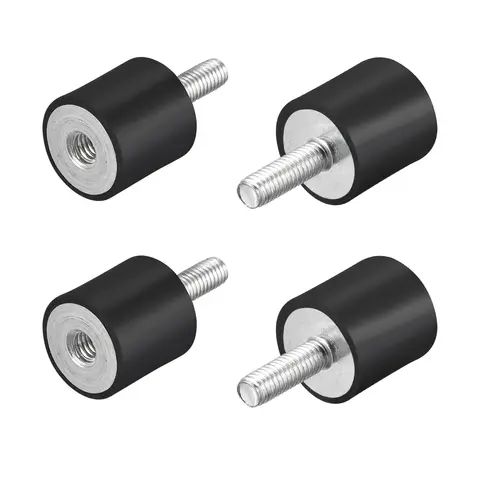
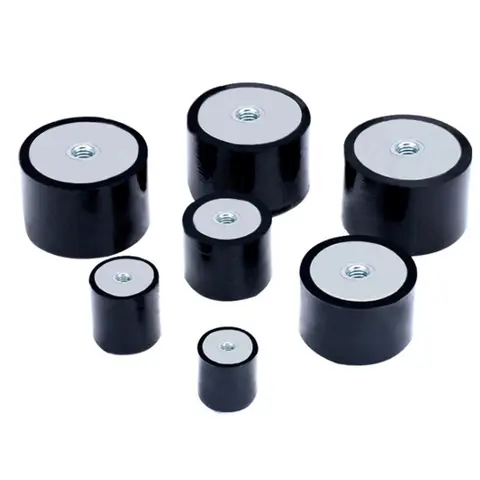
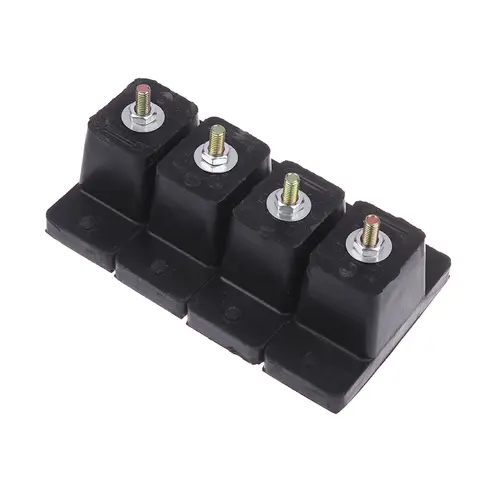
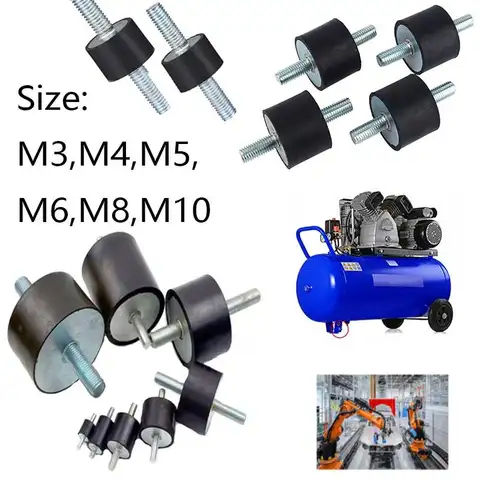
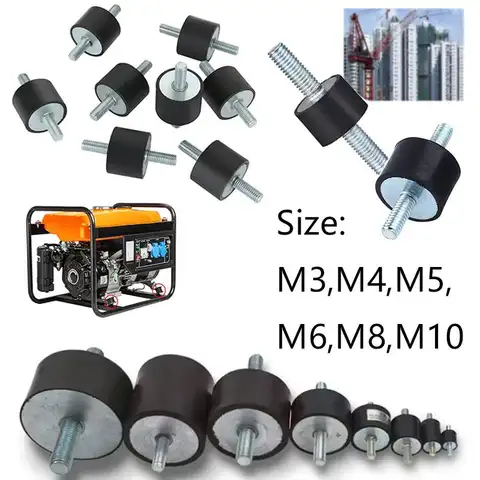
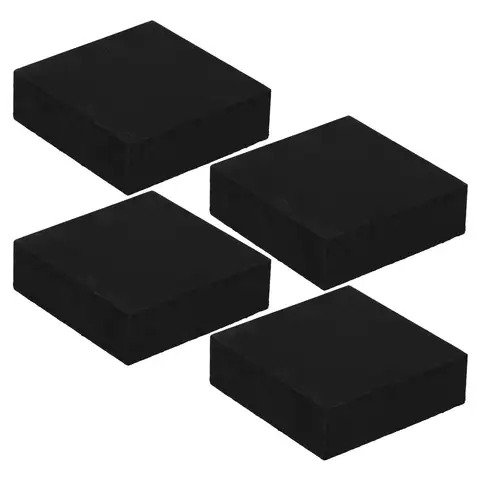
For lighter-duty uses—such as securing door locks or mounting small appliances—rubber pads (e.g., circular countersunk shock absorber pads) provide excellent damping with minimal space requirements. Key specs to consider include:
- Thickness: 3–50mm (thicker pads offer greater absorption)
- Inner Diameter: 10–100mm (match your mounting bolt size)
- Material: High-grade rubber or TPE (resistant to oil, heat, and aging)
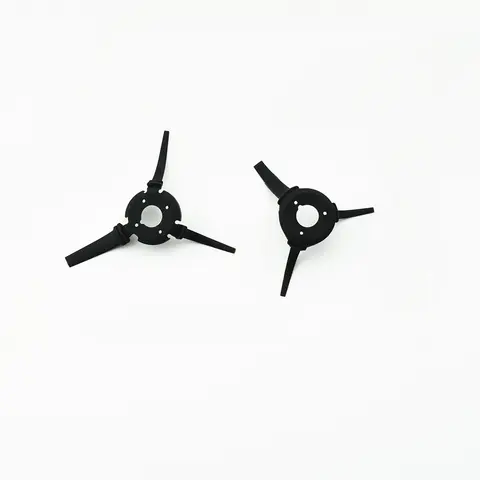
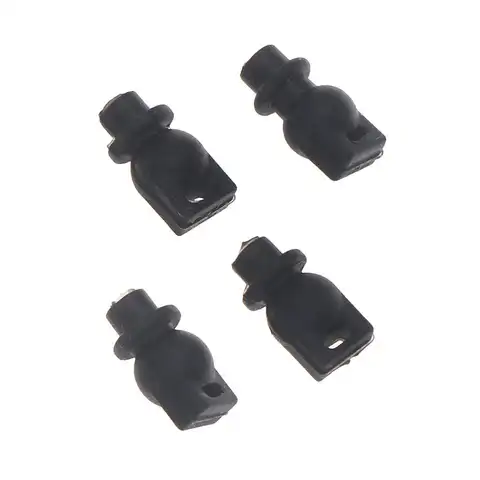
For universal applications like automotive or home fixtures, universal door lock dampers made from TPE are a top choice. They’re compatible with brands like Toyota, Nissan, VW, Honda, and KIA, and their flexible design allows for easy installation without modification.
To choose the right damper:
Avoid common pitfalls: using undersized pads, ignoring load ratings, or selecting low-quality rubber that degrades quickly. Always prioritize real-world performance data and user feedback when selecting. For maximum effectiveness, pair dampers with proper alignment and secure fastening.
When users search for anti vibration damper, they are typically seeking solutions to minimize mechanical vibrations that cause noise, structural fatigue, or equipment damage. These searches often reflect a practical need—whether for DIY repairs, industrial maintenance, or automotive upgrades. The intent is clear: find a durable, adaptable, and effective damping solution that fits specific dimensions and load requirements.
- Anti Vibration Damper
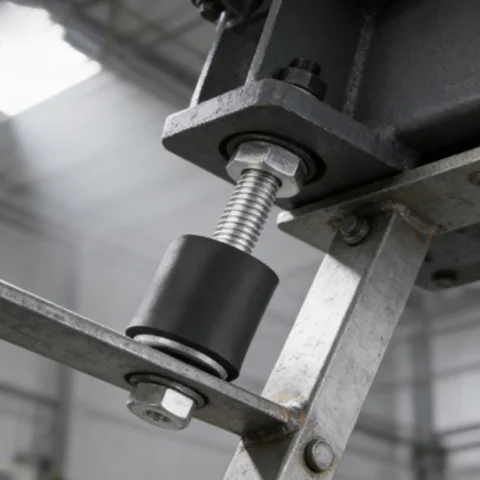
- A mechanical component designed to absorb and dissipate vibrational energy, reducing noise and preventing damage to connected structures or devices.
- Shock Absorption
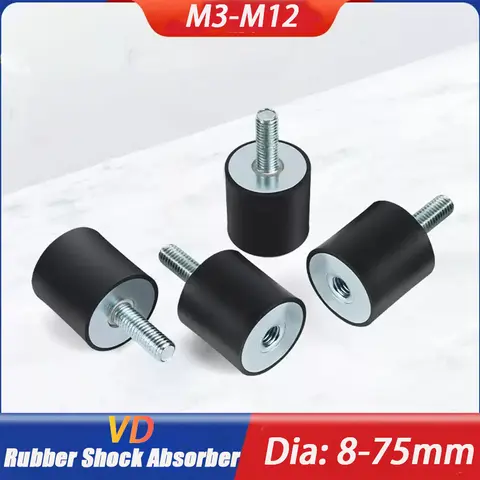
- The process of reducing the impact of mechanical shocks or vibrations through energy dissipation, commonly achieved via rubber, spring, or TPE materials.
- Vibration Isolation
- A technique used to prevent the transmission of vibrations from one component to another, often critical in sensitive equipment or noisy environments.
For applications like water pumps or fans, spring-type anti vibration dampers (e.g., JB50KG adjustable spring isolators) offer high load capacity and precise tuning. These are ideal for heavy-duty machinery where vibration amplitude is significant. Look for models with a load capacity exceeding 50kg and adjustable height for optimal alignment.
For lighter-duty uses—such as securing door locks or mounting small appliances—rubber pads (e.g., circular countersunk shock absorber pads) provide excellent damping with minimal space requirements. Key specs to consider include:
- Thickness: 3–50mm (thicker pads offer greater absorption)
- Inner Diameter: 10–100mm (match your mounting bolt size)
- Material: High-grade rubber or TPE (resistant to oil, heat, and aging)
For universal applications like automotive or home fixtures, universal door lock dampers made from TPE are a top choice. They’re compatible with brands like Toyota, Nissan, VW, Honda, and KIA, and their flexible design allows for easy installation without modification.
To choose the right damper:
- Identify the source and frequency of vibration (e.g., fan motor vs. engine mount).
- Measure the mounting hole size and required thickness.
- Check the load capacity—ensure it exceeds the weight of the device.
- Verify material compatibility with environmental conditions (e.g., heat, moisture).
- Opt for customizable or adjustable models for better fit and performance.
Avoid common pitfalls: using undersized pads, ignoring load ratings, or selecting low-quality rubber that degrades quickly. Always prioritize real-world performance data and user feedback when selecting. For maximum effectiveness, pair dampers with proper alignment and secure fastening.